







Search Results for: Brewing Guides
A Must-Read for Coffee Enthusiasts: Flavor Profiles and Brewing Guides for Five Classic Coffee Beans
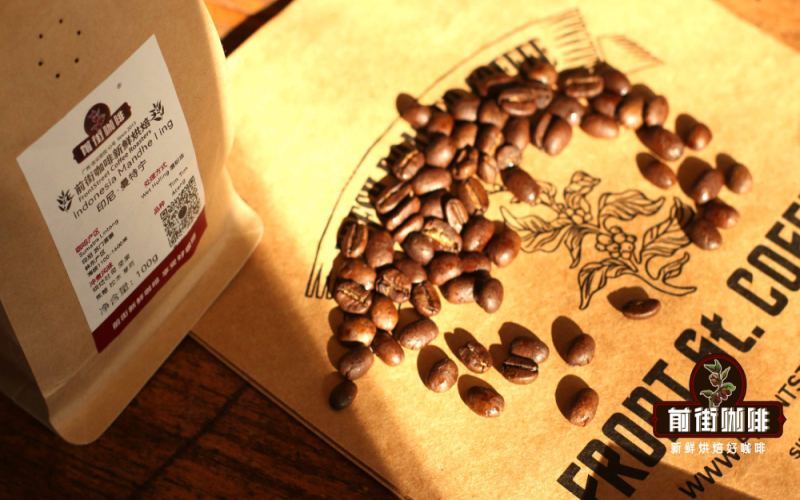
In the world of coffee, different regions, varieties, and processing methods give coffee beans a myriad of flavor expressions. For enthusiasts who are just getting into specialty coffee, starting with classic regions often allows them to build a framework for understanding coffee flavors more quickly. This article selects five representative classic coffee beans—from the rich and full-bodied Mandheling, to the balanced and elegant Blue Mountain; from the fresh and bright Yirgacheffe, to the nutty and sweet Colombian Huila, and then to the clean and mild Brazilian Red Bourbon. The article will go through their origin terroir, flavor characteristics, and suitable brewing methods one by one, helping readers find the cup of coffee that matches their own taste. [more…]
Yirgacheffe Coffee Flavor Analysis: From Origin Stories to Washed and Natural Brewing Guides
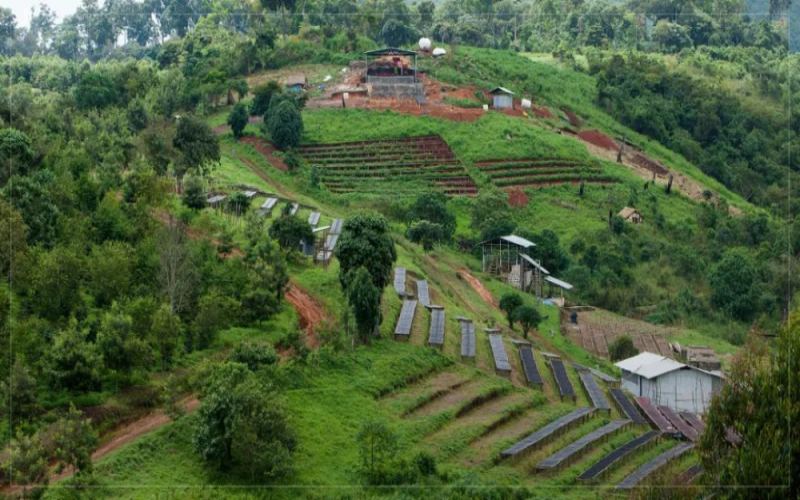
Yirgacheffe is a highly representative specialty coffee region in southern Ethiopia, renowned worldwide for its rich white floral aromas and citrus acidity. This article will systematically examine the flavor characteristics and mouthfeel of Yirgacheffe coffee from the perspectives of the meaning of the region's name, its historical development, altitude conditions, and the evolution of processing methods, while also comparing the differences brought about by washed and natural processing. The article also includes detailed information on two products—Front Street washed Yirgacheffe and Front Street natural Red Cherry—as well as recommended brewing parameters and a three-pour pouring procedure for light-roasted Yirgacheffe, making it suitable as a reference for enthusiasts who are just getting into single-origin coffee. [more…]
How should a home coffee pot be used correctly? Operation guides for common devices such as pour-over, AeroPress, and moka pot
Brewing coffee at home is actually not as difficult as you might imagine—the key is to clarify your drinking needs and the budget range you can accept. Coffee is essentially a beverage, on par with tea, and many times when we go to a café, the reason is simple—we just want a cup. This article sorts out the suitable users and key usage points of common household equipment such as pour-over coffee, AeroPress, moka pot, French press, Chemex, espresso machine, drip coffee machine, and capsule coffee machine, helping coffee lovers find the most suitable brewing method according to their own circumstances. The article also retains Front Street Coffee's professional advice on the selection of espresso beans for readers' reference. [more…]
The Flavor Code of Yunnan Small-Batch Coffee: From Catimor to Typica, Front Street Coffee Guides You Through Regional Characteristics and Brewing Techniques
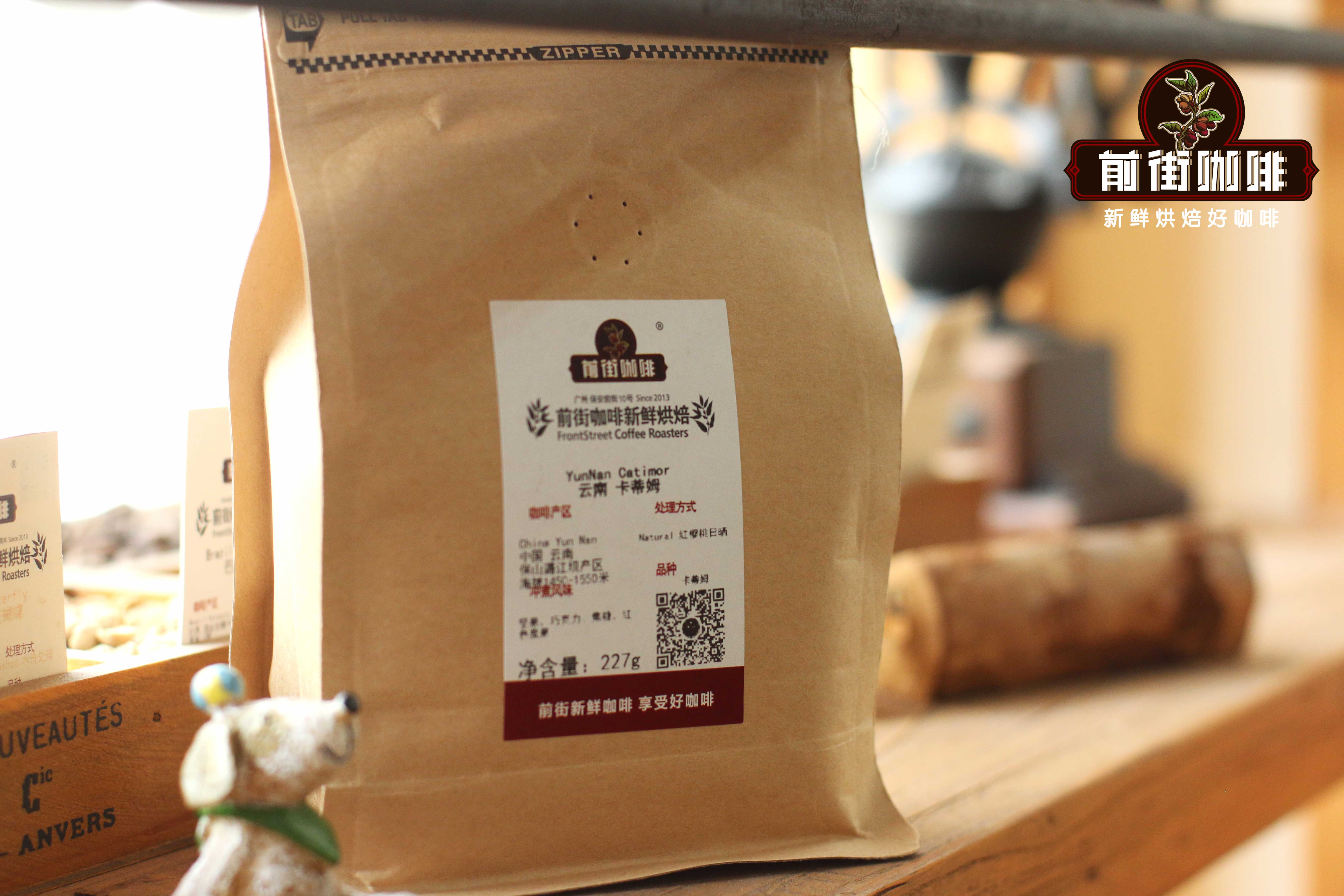
Yunnan Arabica coffee has risen to fame in recent years, delivering impressive results in both international competitions and flavor evaluations, and the domestic coffee industry has likewise entered the fast lane. At Front Street locations, customers often proactively ask whether Yunnan beans are available, which shows just how popular they are. This article starts with the definition of Arabica coffee, sorts out Yunnan's main growing regions and variety changes, focuses on Front Street's experience growing Typica in Lincang, recommends three distinctive Yunnan coffee beans, and finally includes Front Street's brewing parameters and technique suggestions to help coffee lovers fully understand Yunnan coffee's regional flavors and key tasting points. [more…]

A Complete Analysis of Coffee Flavors from Colombia's Huila Region: From Washed Everyday Beans to Brewing Guides for Huayueye and Huajian
Huila (also translated as Huilan or Huilan) is one of the most renowned coffee-producing regions in the Andes of southwestern Colombia, accounting for about 12% of the country's output. Its fertile volcanic soil, moderate rainfall, and high-altitude microclimate nurture Arabica coffee that is balanced and consistent, with a full body and delicate berry-like sweet acidity. Front Street Coffee has listed several representative beans from this region: a washed Huila everyday drinking coffee suitable for beginners, an anaerobic natural Flower Moonlight with intense strawberry jam aromas, and a washed Hanami with notes of pink pepper and chamomile. This article will outline Huila's variety structure and the reasons behind its flavor, and provide V60 three-pour hand-brew parameters to help coffee enthusiasts fully understand the appeal of this top specialty region. [more…]
A Complete Guide to Colombian Specialty Coffee Flavors: Brewing Guides for Representative Beans from the Three Major Regions of Huila, Santander, and Cauca
Colombian coffee has always been renowned for its rich sweetness, full-bodied character, and intense aroma, with exceptionally high balance, often accompanied by nutty notes and elegant fruity acidity, and is regarded by many baristas as a premium choice. The Colombian beans selected by Front Street Coffee mainly come from growing regions in the south at elevations above 1,500 meters, such as Huila, Cauca, and Santander, where the coffee produced has delicate berry notes and caramel sweetness. This article will review, one by one, the regional backgrounds, processing methods, and brewing flavors of Front Street's various Colombian single-origin beans, including Huila, Flower Moon Night, Rose Valley, and Hacienda del Cielo Sakura, and will also share Front Street's V60 brewing parameters and techniques, taking you through a comprehensive understanding of the diverse charm of Colombian coffee. [more…]
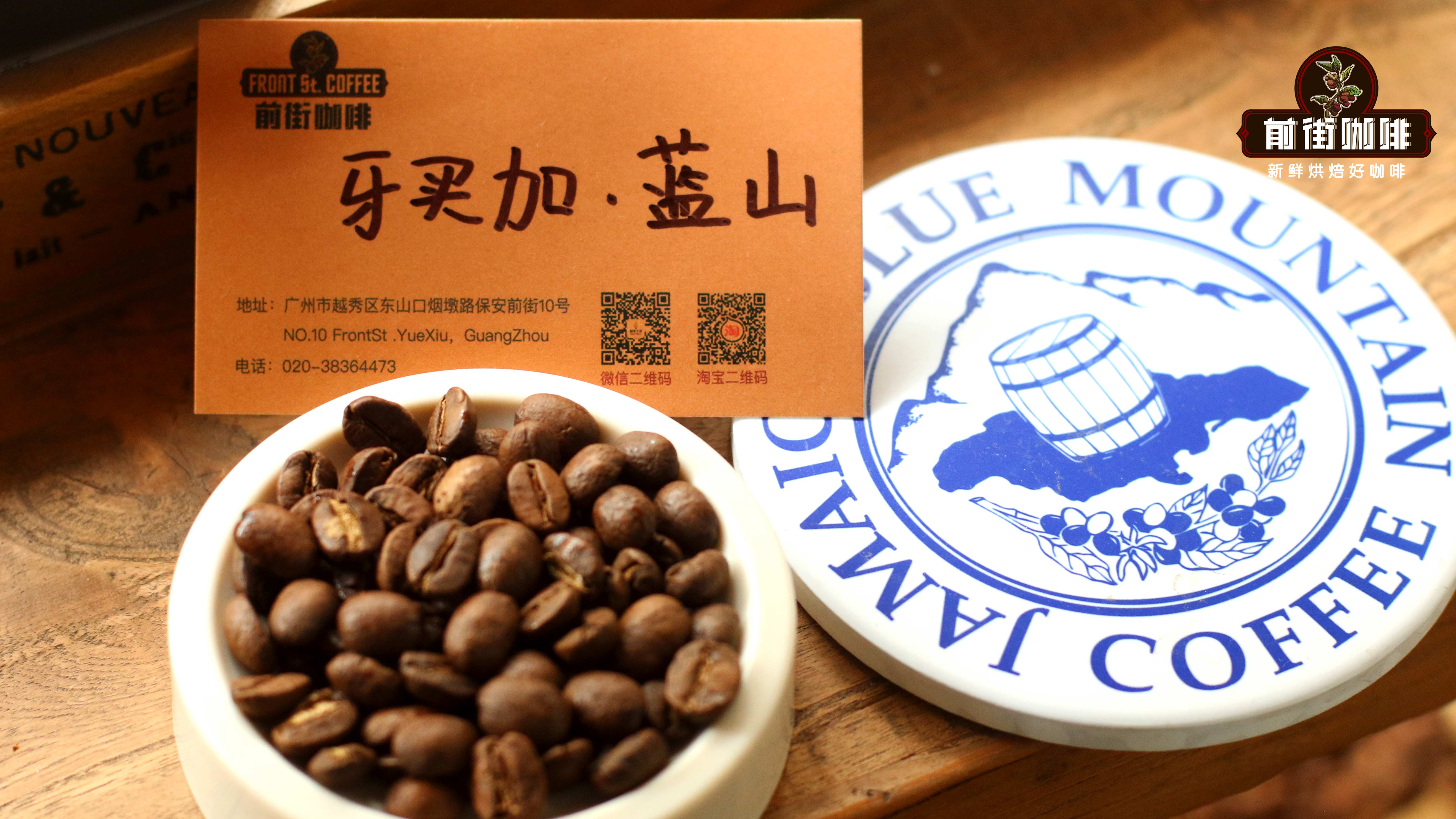
A Comprehensive Analysis of Jamaican Blue Mountain Coffee: From Production Region and Grades to Practical Brewing Guides for Espresso and Pour-Over
Blue Mountain coffee, as Jamaica's most representative specialty coffee, is world-renowned for the elegant flavors of the Typica variety and its strict grading system. This article begins with the historical origins of the Blue Mountain region, the washed processing method, and the CIB grading standards, then introduces the identifying characteristics of Blue Mountain No. 1 coffee beans, and shares in detail Front Street Blue Mountain No. 1 brewing recipes for espresso, latte, americano, as well as pour-over methods using three drippers—KONO, Kalita, and V60—helping you fully master this bean's flavor expression and brewing techniques. [more…]
Yunnan Catimor Coffee Beans: Flavor Characteristics, Variety Origins, and Brewing Guides for Three Devices
Catimor is a hybrid of Timor and Caturra, developed in 1959 by the Portuguese Coffee Leaf Rust Research Center and known for its disease resistance and high yield. In Yunnan's coffee industry, Catimor has become the dominant variety, and Front Street Coffee labels it as "Yunnan Small Bean," distinguishing it from the "Yunnan Specialty Coffee" Typica. This article will start from Catimor's varietal origins, botanical characteristics, and cultivation across global producing regions, then sort out the producing environment and historical context of Yunnan coffee, and, based on Front Street Coffee's roasting and cupping, present in detail the flavor differences and operating parameters under three brewing methods—the Kalita trapezoidal dripper, Hario V60, and siphon—to help coffee lovers understand this bean's expressiveness more comprehensively. [more…]
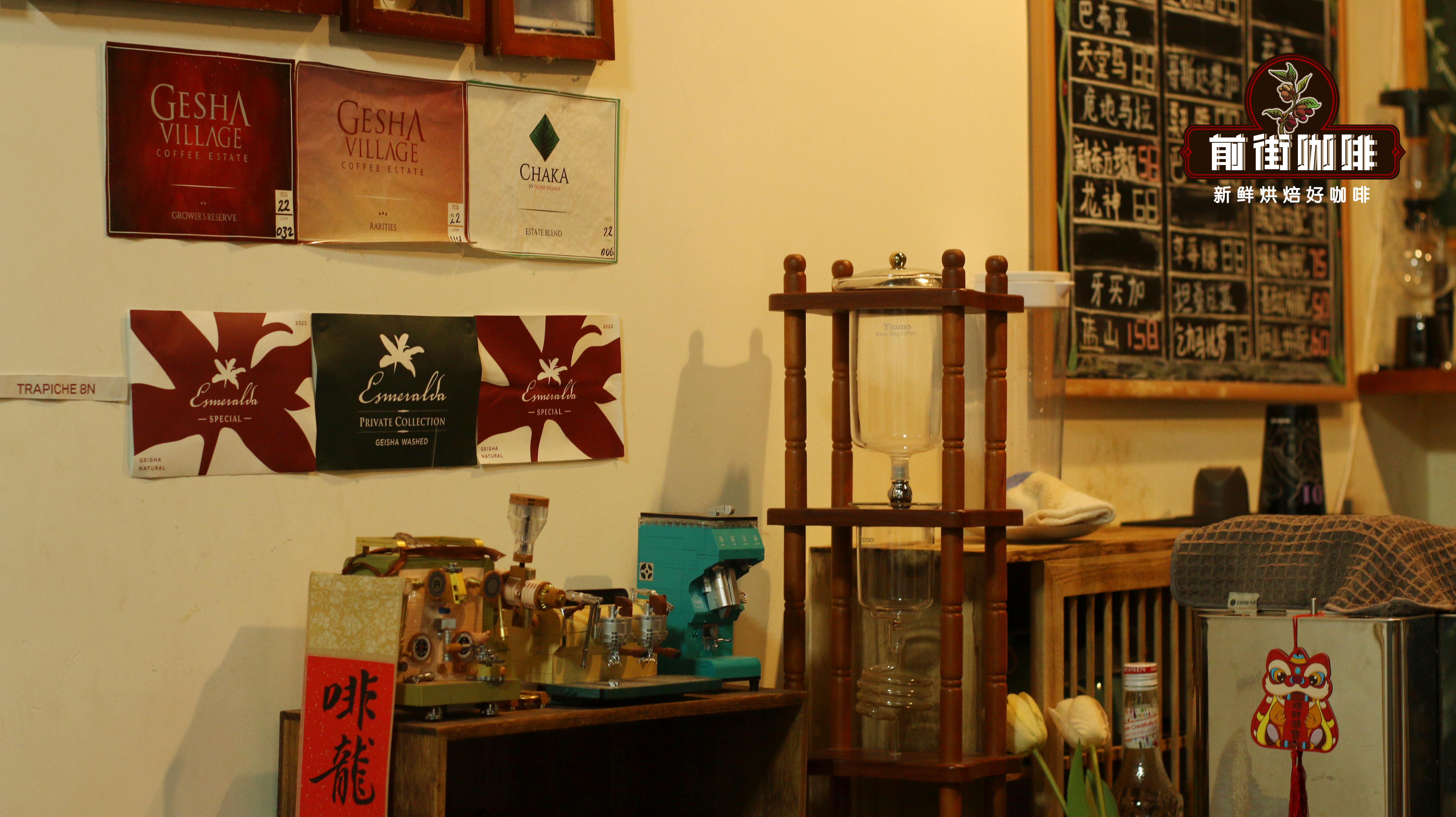
A Complete Guide to Geisha Coffee Flavor: From Variety Origins to Pour-Over Guides for Panama and Ethiopia Regions
Geisha coffee is one of the most renowned and expensive varieties in today's specialty coffee world. The rich, elegant floral aroma in the cup, the complex fruity acidity of citrus and peach, the creamy, silky mouthfeel, and the oolong tea-like sweet fragrance in the finish make you feel as if you are drinking a fragrant fruit tea. Many friends who are just getting to know Geisha worry that they will brew the beans poorly and fail to bring out the flavors they should. From the perspective of Front Street, this article first sorts out the variety's origins and cultivation characteristics, then compares the flavor differences between the two representative producing regions of Panama and Ethiopia, and finally provides the specific pour-over parameters and three-stage extraction steps for Front Street's Emerald Red Label and Geisha Village Red Label, helping Geisha lovers build a clear brewing approach. [more…]
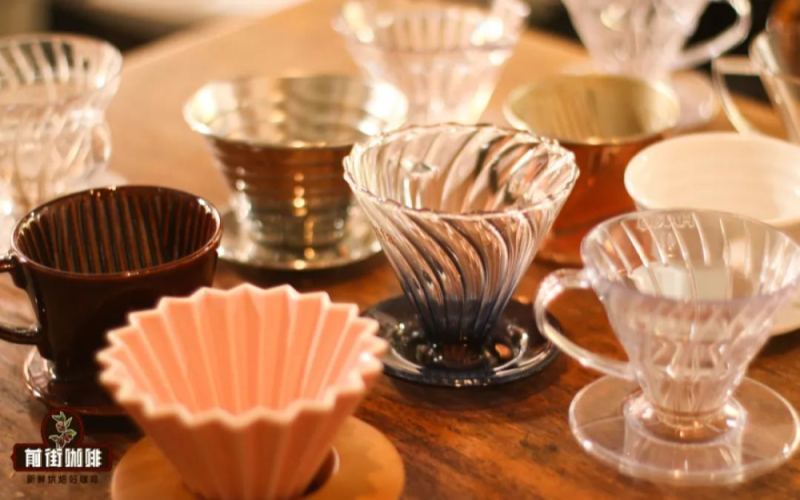
How Do Flow-Guiding Ribs and Holes Affect Pour-Over Extraction? A Full Analysis of Dripper Structural Differences
Pour-over drippers on the market come in all shapes and sizes, from conical to fan-shaped, from single-hole to multi-hole, and behind every design lies a different extraction logic. The key to a cup of coffee's flavor direction is often hidden in the distribution of the dripper's ribs and the drainage holes. How do the flow channels alter the water path? Why do spiral ribs make extraction more even? How do the number and size of the holes affect the drainage speed? From Front Street's perspective, this article breaks down the core structure of the dripper one by one, helping you see the essence amid a dazzling array of products and choose the one that truly suits you. [more…]
A Comprehensive Analysis of 26 Classic Coffee Drinks Worldwide: Origins of Names, Recipes, and Step-by-Step Brewing Guides
The world of coffee is far more than a cup of Americano or latte. From Irish whiskey coffee to Mexico's Huastec layered coffee, every specialty coffee drink hides a story of regional culture and history. This article systematically sorts through 26 classic specialty coffee drinks from around the world, covering their names, origins, ingredient ratios, and detailed brewing steps. Whether you are a coffee enthusiast or a barista, you will find a recipe worth trying. The article also retains relevant recommendations from the "Front Street" brand for daily bean selection reference. [more…]
Operating Guides for Various Coffee Brewers: Turkish Pot, French Press, Siphon, and Super-Automatic Machines Explained
To make a good cup of coffee at home, choosing the right equipment is only the first step—mastering the correct operating techniques is equally crucial. This article systematically reviews the key points for using a Turkish coffee pot, French press, siphon brewer, Belgian coffee maker, moka pot, semi-automatic and fully automatic coffee machines, breaking down everything from grind size and water temperature control to extraction time. Whether you prefer the rich, full-bodied Turkish flavor or the clean, layered clarity of a siphon brewer, you'll find the corresponding steps and detailed tips here. The article also specifically retains relevant product recommendations from the Front Street Coffee brand for coffee enthusiasts to reference when making purchases. [more…]
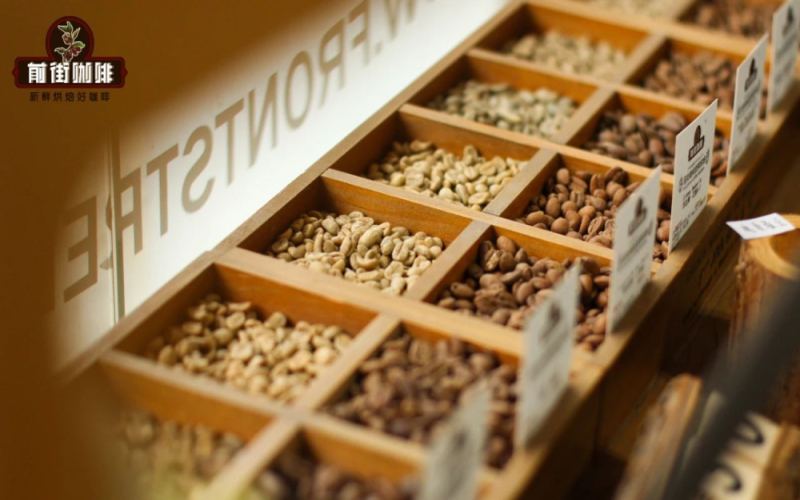
Flavor Analysis of Asian Coffee Origins: Low-Acid, Full-Bodied Coffee Varieties from Indonesia, Yunnan, and More, with Brewing Guides
Although the Asian coffee-producing regions are not as famous for renowned estates as Africa or Central and South America, they occupy an important place on the world coffee map with their rich, full-bodied, and low-acidity flavors. Indonesia's Mandheling, China's Yunnan small-bean variety, Vietnam's Robusta, India's Monsoon Malabar, and Papua New Guinea's Bird of Paradise all showcase the distinctive heaviness and sweetness of Asian beans. Front Street Coffee takes you through the varietal characteristics, processing methods, and brewing suggestions of these regions one by one, so that whether used as an espresso blend base or a single-origin pour-over, you can experience the unique charm of Asian coffee. [more…]
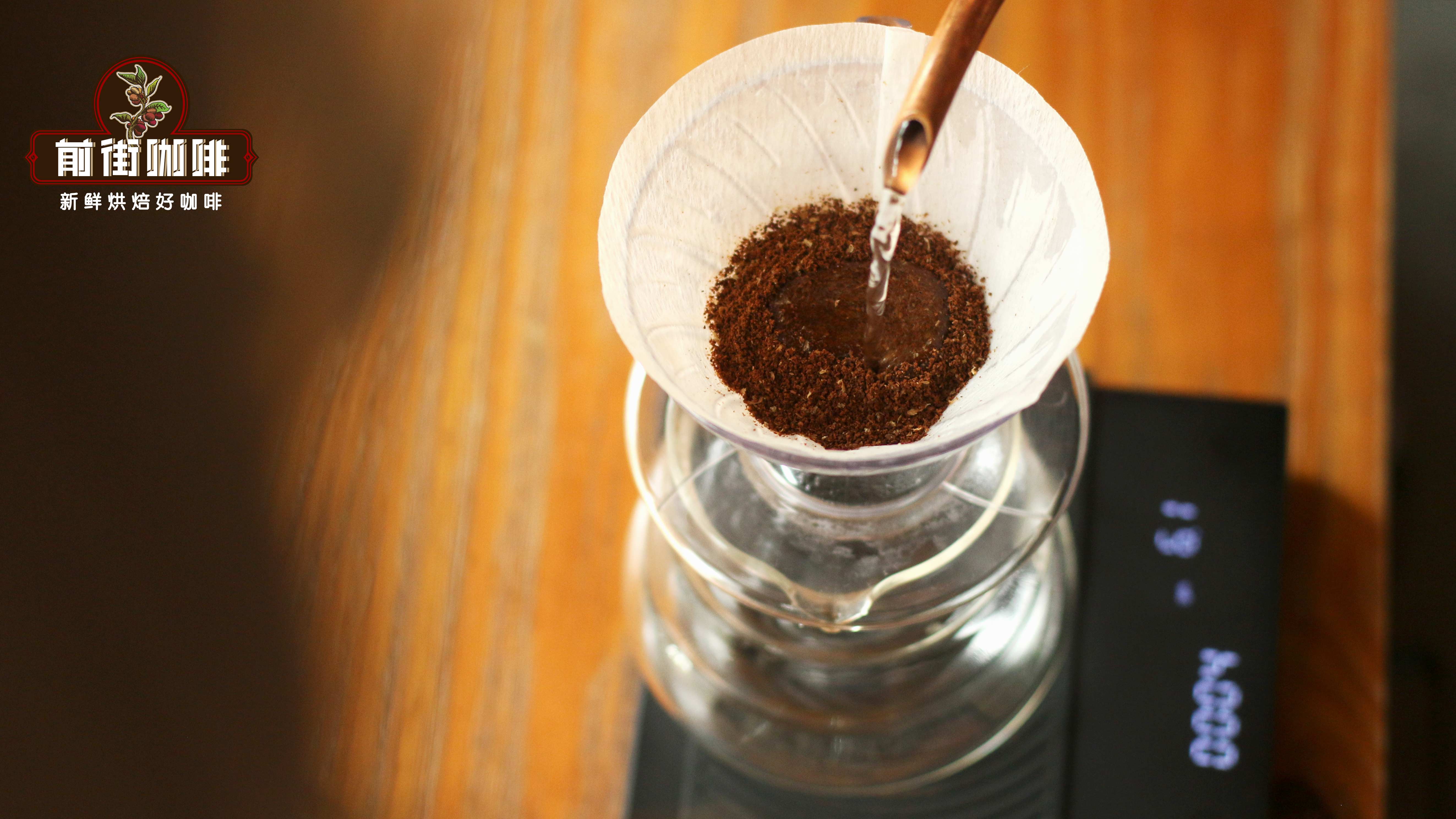
How Do Blooming Water Volume and Time in Pour-Over Coffee Affect Flavor, and an Analysis of the Brewing Process
The first step in pour-over coffee is usually the bloom. How much water is poured at this step and how long it lasts will directly affect the final flavor profile. This article analyzes the purpose of the bloom, the saturation water absorption of coffee grounds, and the differences in water absorption among beans of different roast levels. It explains why most tutorials recommend pouring water at twice the coffee dose, while also explaining why in practice some coffee liquid still drips into the server ahead of time. The article also combines specific beans such as Front Street. Golden Mandheling, Front Street. Queen's Estate, Front Street. Washed Yirgacheffe Giddingding, and Front Street. Natural. Flower Queen to offer flexible adjustment ideas for 1.5 to 2 times the water amount, and discusses the influence of pouring technique and bean freshness on water absorption, helping enthusiasts find a bloom method that better suits the bean's characteristics. [more…]
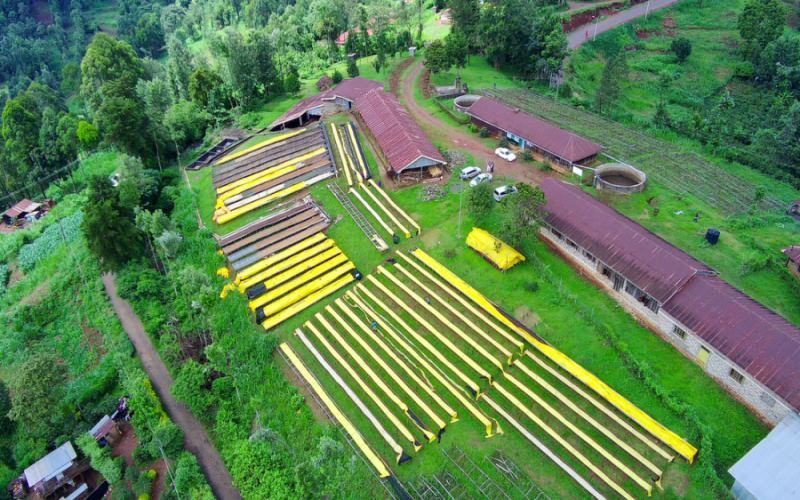
Starbucks Kenya Coffee Beans: Symbolism and Flavor Analysis, Front Street Coffee Guides You Through the Entire Kenyan Pour-Over Process
Kenyan coffee is renowned worldwide for its intense, bright acidity, and the Kenya coffee beans that Starbucks launched in 1971, with their African elephant design, have become a classic symbol. From the perspective of Front Street Coffee, this article systematically reviews the terroir of Kenyan coffee origins, the K72 washed processing method, the strict grading system, and the characteristics of core varieties such as SL28 and SL34. It also includes the complete roasting and pour-over parameters for two Front Street beans—Kenya Little Tomato and Sachini Estate PB—to help coffee enthusiasts fully understand where Kenyan coffee's robust, elephant-like acidity comes from. [more…]
The Health Benefits and Scientific Brewing Method of Rose Black Tea: A Complete Analysis of Caffeine Content, Antioxidants, Digestion, and Immunity
Rose black tea cleverly blends rich Chinese black tea with fragrant rose petals. It can serve as a gentle morning pick-me-up, a soothing afternoon relaxant, or a base for milk tea or lattes. This organic tea has a smooth taste and is enjoyable both plain and with a small amount of milk and sweetener. This article provides a comprehensive analysis of the factors affecting the caffeine content of rose black tea, such as tea variety, water temperature, steeping time, and floral ingredients, and details its health benefits in areas including antioxidant effects, improved digestion, energy enhancement, anti-inflammation, stress relief, vitamin C supplementation, and immune support. We will also share practical guides for hot brewing and cold brewing, and recommend related products from Front Street Coffee to help you better enjoy this beverage that combines floral fragrance and tea character. [more…]

A Complete Guide to Latin American Coffee Regions: Flavor Profiles, Processing Methods, and Brewing Guides for Signature Beans
Among the world's three major coffee-producing regions, Latin America stands out for its balanced taste and rich, cocoa- and dark-chocolate-like flavors. This article systematically reviews the coffee-growing backgrounds, main producing areas, processing method characteristics, and flavor profiles of countries such as Brazil, Colombia, Panama, Costa Rica, Honduras, Jamaica, Guatemala, and Nicaragua, and combines them with Front Street Coffee's everyday beans series and brewing methods to help coffee lovers build an overall understanding of Latin American coffee, making it a valuable reference for both everyday purchasing and pour-over practice. [more…]
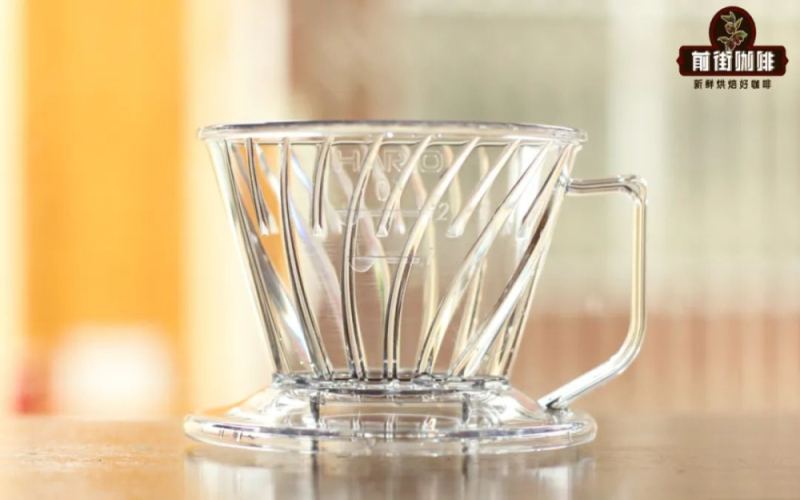
An In-Depth Analysis of the Hario Pegasus Dripper: Boat-Shaped Design, Trapezoidal Structural Differences, and Real-World Brewing Performance
In addition to the V60, Hario has also released a uniquely shaped Pegasus dripper. It resembles a trapezoidal dripper in appearance, yet has undergone significant improvements in its flow guides, base structure, and cup holder design. The spiral flow guides deliver a drainage speed close to that of the V60, while the flat-bottom dual-hole design makes extraction more even. Viewed from above, the oval base looks just like a little boat, which is how it came to be called the boat-shaped dripper. Front Street Coffee conducted a comparative brew using this dripper and the V60 with the same Finca El Diviso Sidra coffee beans; the flavor profiles were similar, but the Pegasus dripper produced a softer acidity. This article provides a complete breakdown of its structural features, filter paper compatibility, the purpose of the measurement lines, and the conveniences and drawbacks encountered in actual brewing. [more…]
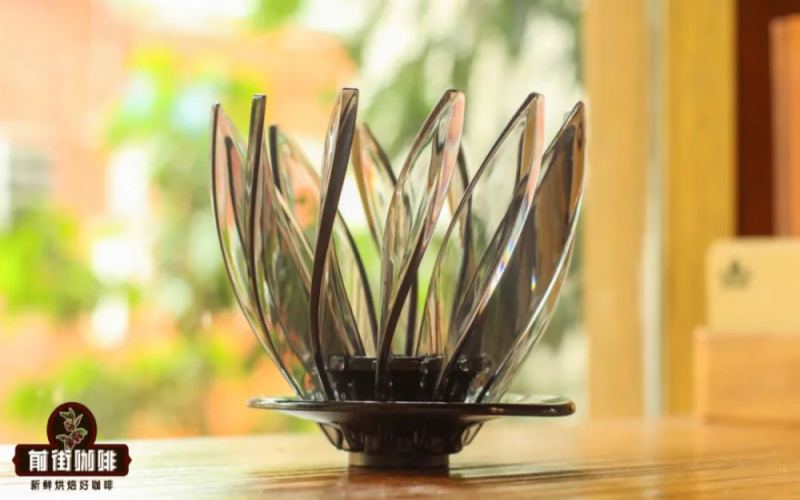
Hario Water Lily Dripper vs V60: The Removable Petals, Flow Rate Performance, and Brewing Tips
The Hario V60 Mugen dripper is composed of a detachable 12-blade and base assembly, completely different from the common one-piece drippers. The resin material is heat-resistant and shatterproof, and the blade colors can be freely mixed and matched. It has no cup wall, and the filter paper is supported entirely by the blades, which serve both as a skeleton and as flow guides. In actual testing, the average flow rate after filling with water is about 8ml/s, faster than Kono but slower than the V60's 10ml/s, placing it in the medium-fast range. However, the longer blades raise the pouring height and increase the impact force, making it prone to over-extraction with doses under 20g; it is better suited to 20g or more with an 02-size filter paper. Front Street Coffee also found that removing the blades unlocks a variety of brewing methods, including single-serving setups. [more…]

What Happens If You Brew Coffee with Boiling Water? What Is the Ideal Pour-Over Water Temperature, and Is 92°C a Hard Rule?
Water temperature is a key variable in controlling the pace of coffee extraction. Most brewing guides set the recommended range at 86–93°C, and very few people dare to use water below 80°C or above 95°C on coffee. So what happens if you boil water and brew with it directly? This time, Front Street Coffee selected a medium-light roast Colombia·Frontera Big Navel and a medium-dark roast Indonesia·Mandheling, using conventional temperature and boiling water for comparison, and compared concentration, aroma, and mouthfeel item by item. The article not only provides two sets of measured data, but also explains how temperature affects the release of sourness and bitterness, as well as the suitable water temperature ranges for light roasts and dark roasts respectively, helping you understand whether 92°C is really a hard standard that must be followed. [more…]